Fuori Manuale
The designer designs. The workshop swears. Who's right?
Mechanical design and the shop floor: why assembly problems arise when feedback only comes once the work is done, and how to design machines that are easy to build and maintain.
· CAD-Project editorial team
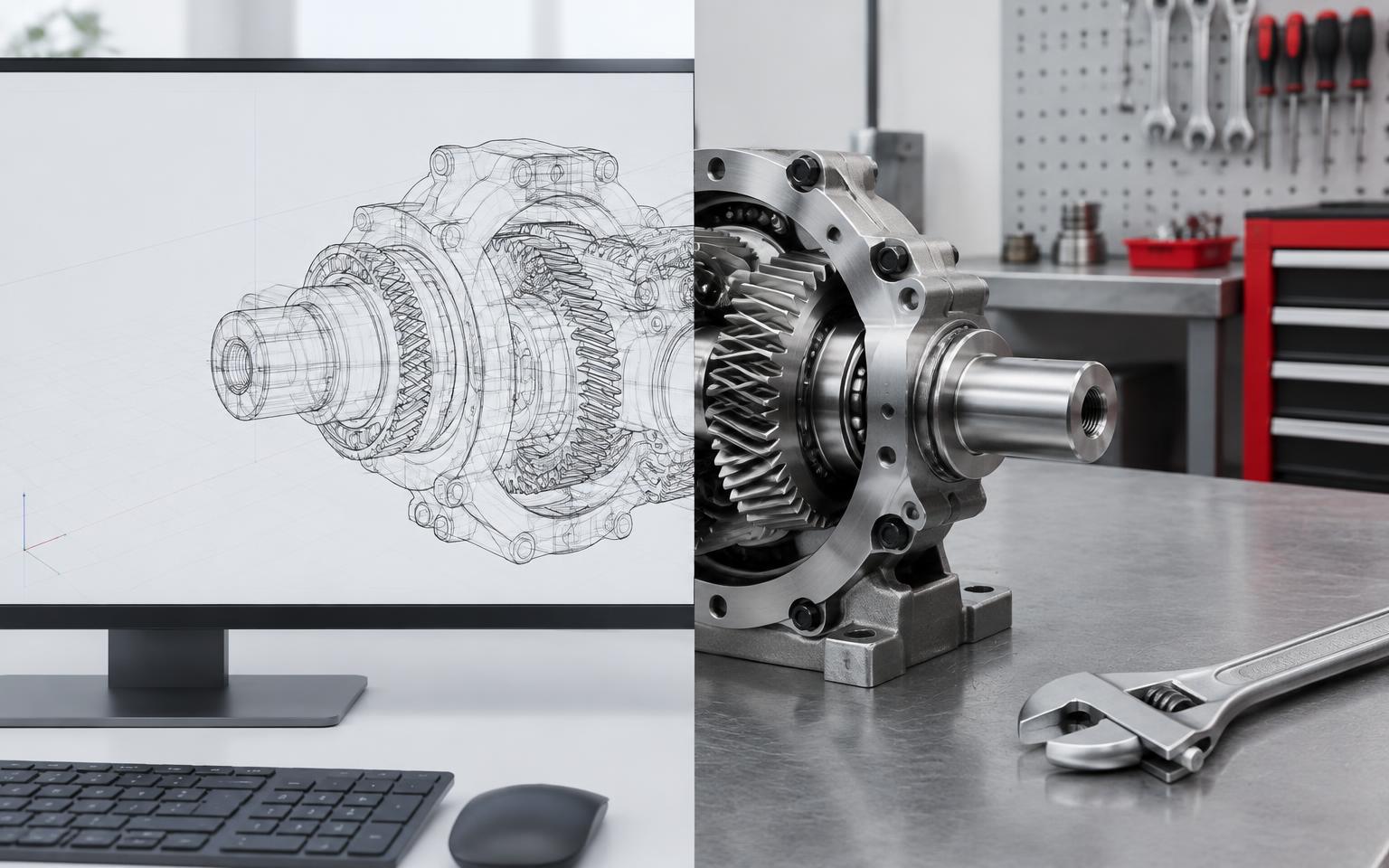
Who is right, the design engineer or the workshop? Almost always both, at least in part. Assembly problems on an automatic machine rarely stem from a single mistake: they arise when the design department and production only compare notes once the work is finished, when every change costs more and nobody wants to take responsibility for it. A mechanical design only truly works if it is conceived from the outset to be manufactured, assembled and maintained, and that takes expertise, experience and, above all, dialogue between the engineering department and the shop floor.
Everything was perfect in CAD. Then someone had to build it
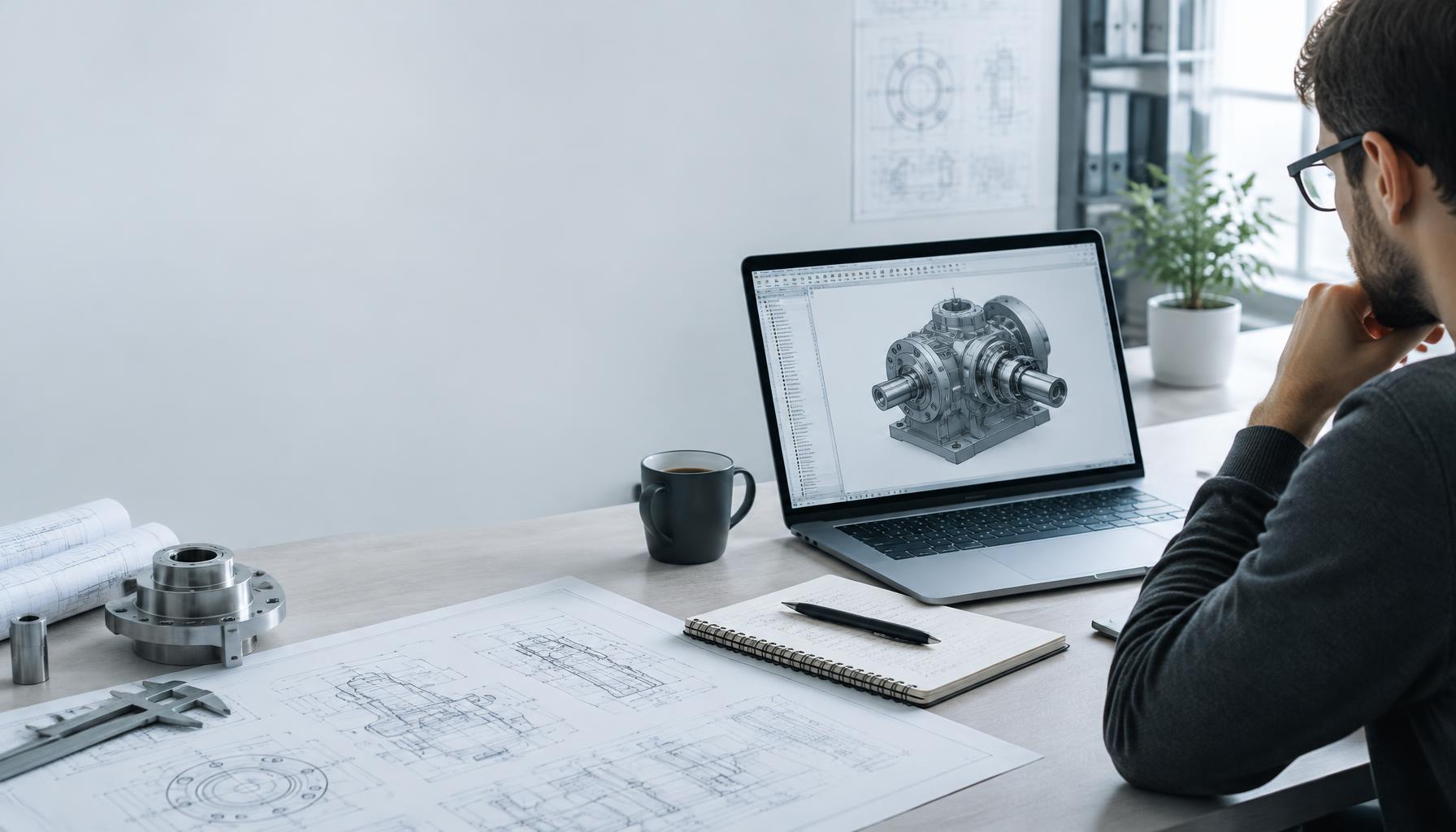
There is a moment in the life of every mechanical design when theory meets reality. It usually happens on the shop floor, and it is not always a peaceful encounter. In the 3D model everything was correct: verified geometries, no interferences, components perfectly assembled. Then comes assembly, and with it the question every designer hears sooner or later: “Who on earth designed this thing?!”
The most common assembly problems
- Screws and fasteners that cannot be reached with the intended spanner or tool.
- Tolerances tighter than necessary, difficult and expensive to hold with the available manufacturing process.
- Wear parts that require half an assembly to be dismantled before they can be replaced.
- Assembly sequences not defined at the design stage, which the workshop has to improvise on the spot.
Technically feasible? Of course. But at what cost, in assembly hours, machine downtime and longer maintenance interventions for the end customer?
The workshop is not blameless either
Let's face it: the famous “We've always done it this way” is not exactly a manifesto for innovation. Not every new solution is wrong, and not every assembly difficulty is caused by a design error. Sometimes a seemingly absurd choice meets precise technical requirements: a safety constraint, a performance level requested by the customer, a standard, an overall dimension limit.
The real problem: feedback comes too late
Conflict arises when design and shop floor only talk once the work is done. The further a project progresses, the higher the cost of every change: modifying a dimension in the CAD model takes a few minutes, modifying it after the parts have been manufactured means rework, delays and documentation to be realigned. With deadlines looming, the discussion shifts from finding the solution to finding someone to blame.
What if we swapped roles?
One week on the shop floor for design engineers. One week in the engineering department for production staff. We might discover that certain choices have a reason, or that some complications could have been avoided with one more phone call. You do not necessarily need to become a fitter to design well, but knowing manufacturing processes, tools and assembly sequences changes the way you draw.
How to bring the shop floor into the design process
- A design for manufacturing and assembly (DFM/DFA) review of critical assemblies before drawings are released, with at least one person from the workshop.
- A check in the 3D model of access clearances for tools and hands, for both assembly and maintenance.
- Tolerances defined according to function and process, not habit: see our practical guide to dimensional tolerances.
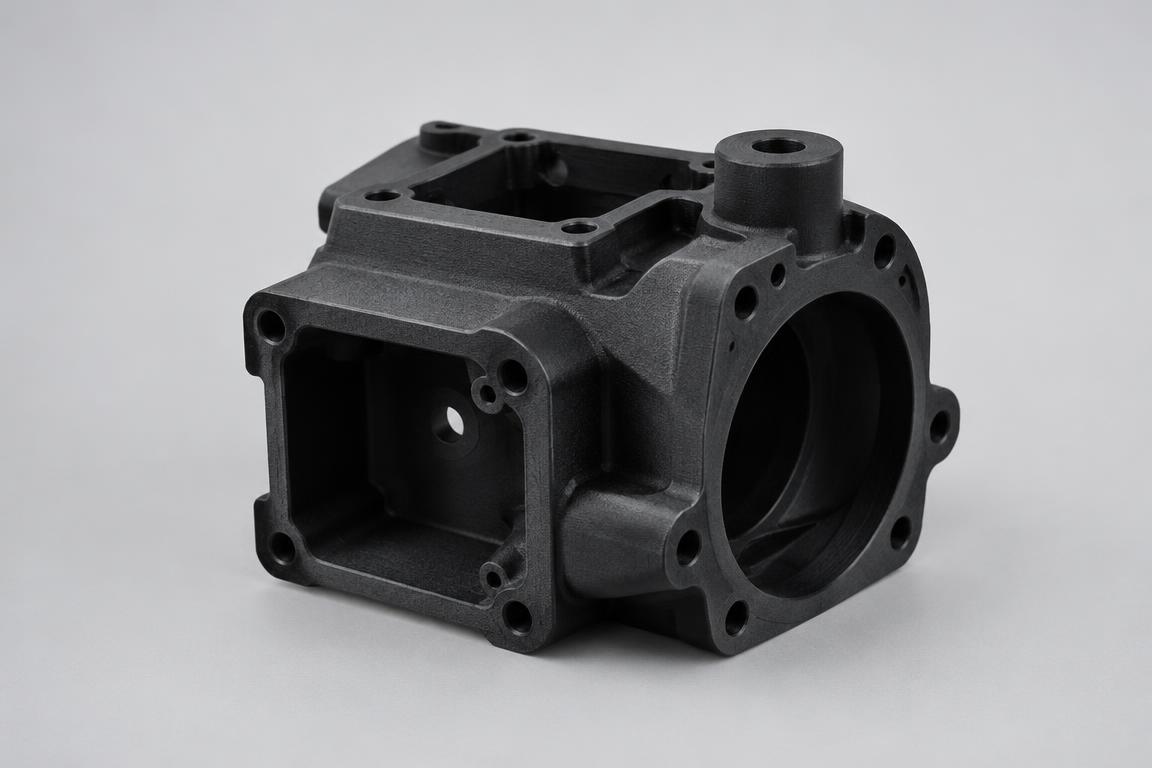
- A trial assembly or prototype of critical parts, including 3D printed ones, with the results fed back into the drawings.
- A tracked channel for feedback from the workshop to the engineering department, so that every problem becomes a design revision rather than a complaint.
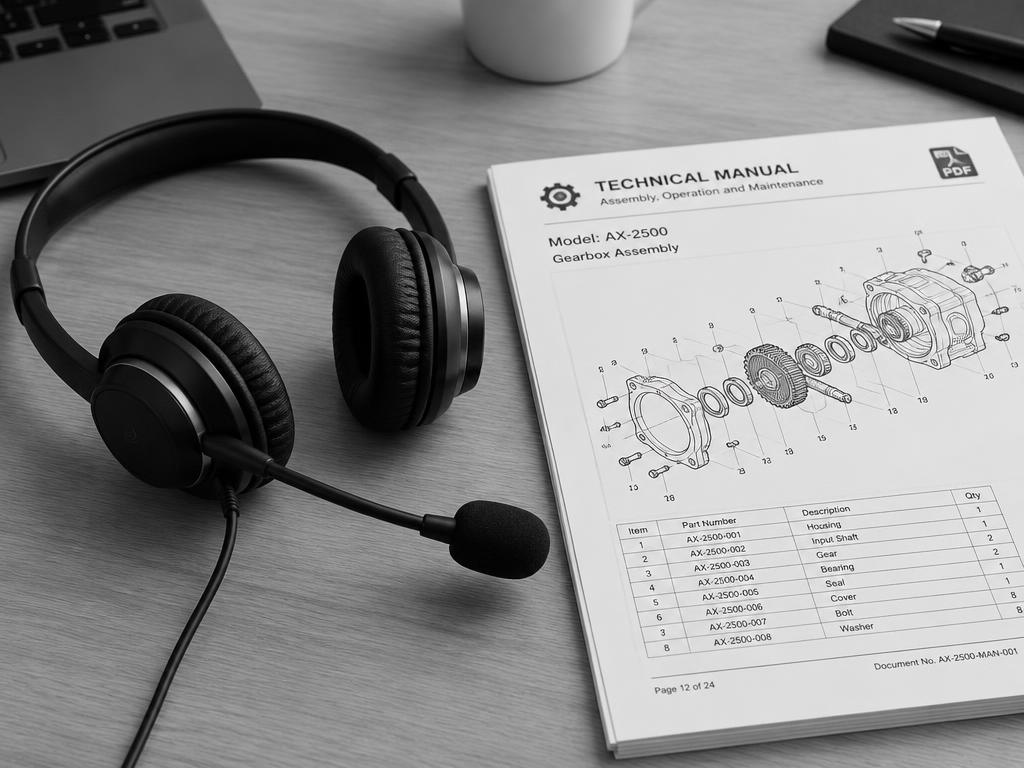
- Early involvement of the technical writer: a machine that is hard to assemble is almost always hard to maintain, and the instructions make that obvious.
Ease of assembly, maintenance and safety go together
Ease of assembly is not just a matter of cost. The essential health and safety requirements of machinery legislation, currently Directive 2006/42/EC and from 20 January 2027 Regulation (EU) 2023/1230, require adjustment and maintenance points to be located, as far as possible, outside danger zones and to be easily accessible. A component that can only be replaced by dismantling half an assembly increases downtime, complicates the instructions for use and raises the risk that someone, sooner or later, will look for a shortcut. That is why at CAD-Project mechanical design and technical documentation work side by side.
CAD is not always right. But neither is the spanner
At CAD-Project we see it this way: a good design must not only work on the monitor, it must also work in reality. Now it's your turn: should a mechanical design engineer be required to gain shop-floor experience before designing, or is knowing the manufacturing processes enough, even without first-hand experience? And what is the most absurd thing you have ever seen designed or built? Tell us in the comments of the FUORI MANUALE newsletter on LinkedIn, preferably without naming names. And if you want to design machines that are easier to build and maintain, let's talk: CAD-Project supports automatic machine builders from its offices in Argelato and Imola.
Coming up in FUORI MANUALE
Wednesday 25 November 2026: “Artificial intelligence writes the manual. Who signs it?” AI can generate a manual in a few minutes, but if the instructions are wrong, who is liable: the software, the technical writer or the manufacturer? Because writing a text is easy; taking responsibility for what it says is another story.
Frequently asked questions
What does DFM/DFA mean in mechanical design?
DFM (Design for Manufacturing) and DFA (Design for Assembly) describe an approach in which parts are designed from the outset with their manufacture and assembly in mind: available processes, realistic tolerances, tool accessibility, part count and assembly sequence. The goal is to reduce costs, lead times and errors on the shop floor.
Does a mechanical design engineer need shop-floor experience?
It is not mandatory, but knowing manufacturing processes, tools and assembly sequences greatly improves design quality. Joint reviews with the workshop, attending assembly and building prototypes are effective tools even for engineers without direct production experience.
How can changes during the assembly of an automatic machine be reduced?
By involving the workshop before drawings are released, checking interferences, tolerances and access clearances in the 3D model, planning a trial assembly of critical assemblies and tracking every piece of feedback as a design revision.
Why does ease of assembly affect maintenance and the instruction manual?
The same choices that make assembly difficult make maintenance long and risky. Machinery legislation requires adjustment and maintenance points to be, as far as possible, accessible and outside danger zones, and the instructions for use must describe procedures that can be carried out safely: a design that is hard to maintain produces a more complex manual.